
You leave Faro after breakfast, watch the coast give way to rolling plains, and by late morning Lisbon is in full performance mode. Yellow trams rattle uphill, miradouros tempt you off schedule, and someone is already arguing that one pastel de nata counts as lunch. That is exactly why planning matters.
If you are coming from the Algarve, treat Lisbon as either a focused day trip or, better yet, a one-night city break. A same-day run from Faro or Albufeira is doable, but only if your transport is sorted properly. Private, door-to-door travel is the smart play. It cuts out station changes, parking headaches, and the usual holiday time-wasting that turns a good idea into a slog. If you want the journey handled without fuss, start with practical options for getting from the Algarve to Lisbon.
Lisbon rewards the effort. It feels layered, grand, scruffy, and handsome all at once, with Moorish lanes, royal monuments, riverfront swagger, and neighbourhoods that still behave like actual neighbourhoods. You do not come here to tick off random landmarks. You come to group the city properly, avoid cross-town zigzags, and spend your energy on the places that give Lisbon its personality.
Winter travellers should also have a look at these expert December travel tips, especially if you want fewer crowds and clearer expectations on weather.
If you searched lisbon what to see and found the usual mush of vague advice, this guide fixes that. It is built for Algarve-based travellers who want the highlights, the smartest route, and clear calls on what deserves their time.
1. Belém Tower
Leave Faro after breakfast, roll into Lisbon with your transport sorted, and make Belém your first stop. It is the cleanest opening move in the city. The river is right there, the layout is easy to read, and Belém Tower gives you the big Lisbon hit straight away without throwing you into steep lanes and uphill battles.
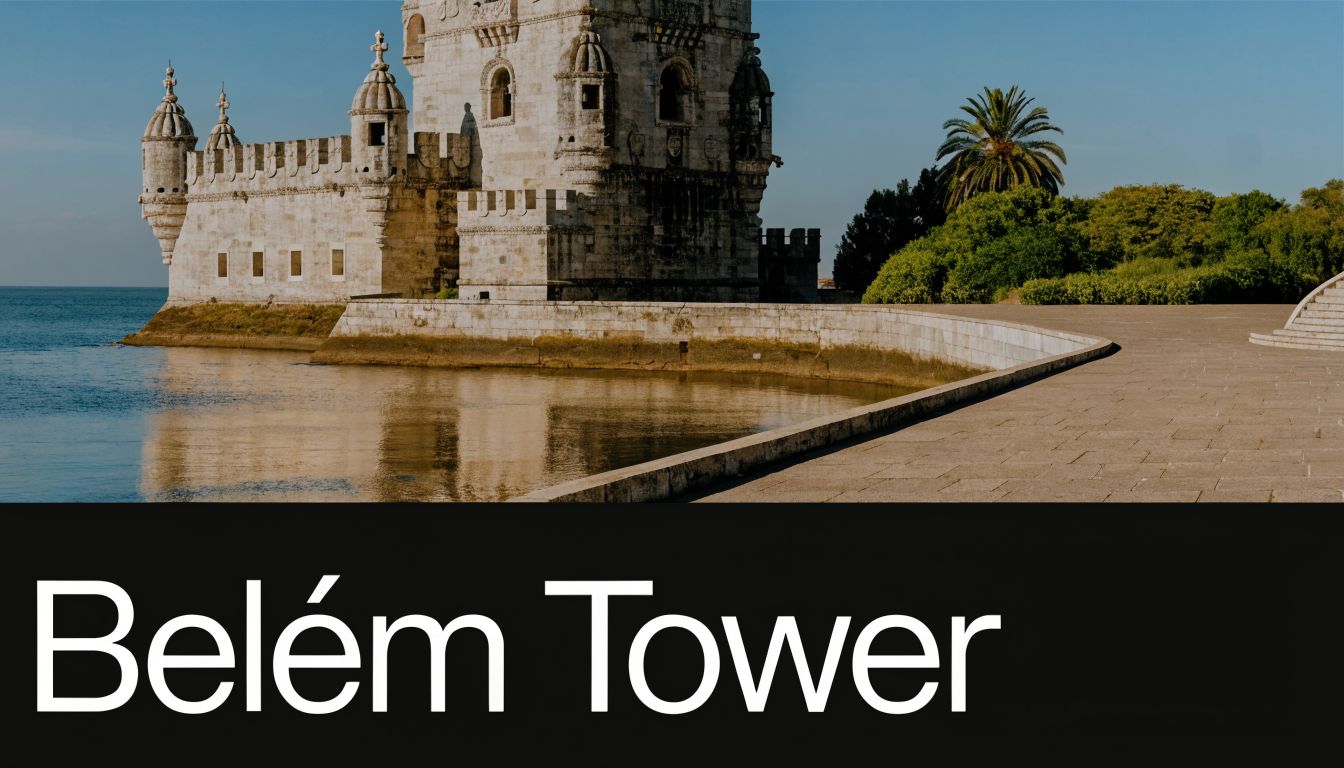
The tower earns its fame. It sits on the Tagus with the kind of confidence only Lisbon can pull off. You get river light, carved stone, and that maritime swagger people come here for. Beyond the aesthetics, it belongs to the right part of the city story. Belém is tied to Portugal’s seafaring era, so the place feels rooted in something bigger than a pretty façade.
Give it proper context and it lands better.
How to do Belém properly
Treat Belém as a compact half-day, not a stray pin on your map. Start with the tower, add Jerónimos Monastery, then stop for a pastel de nata nearby. That route works especially well if you are coming up from Albufeira or Faro and want your first Lisbon hours to feel organised instead of scattered.
- Go early: Opening time gives you shorter queues and better light.
- Book ahead: Timed tickets save you from wasting prime sightseeing time in line.
- Keep the area together: Belém is at its best when you do the sights in one go.
If you are travelling from the Algarve for one day only, this is where smart logistics matter. Door-to-door travel lets you arrive in Belém fresh, skip station changes and parking nonsense, and get straight into the city’s best riverfront sights. If you are still sorting the journey, these practical options for getting from the Algarve to Lisbon make the day far easier to pull off.
One blunt tip. Do not linger too long inside if the queue is ugly and your schedule is tight. The exterior setting does a lot of the heavy lifting here. For Algarve-based travellers trying to see Lisbon properly in limited time, that is the sort of decision that keeps the day enjoyable.
2. Jerónimos Monastery
If Belém Tower is Lisbon in heroic mode, Jerónimos Monastery is Lisbon showing off its stonework. The detailing is the point here. Even people who usually do the quick “lovely façade, let’s move on” routine tend to slow down once they’re inside.
The monastery is closely tied to Portugal’s seafaring story and honours Vasco da Gama’s successful voyage. That connection lands better when you’ve just seen the riverfront in Belém. Lisbon’s harbour on the Tagus helped make it a major trading city for centuries, so this part of town has real historical weight, not just architectural glamour.
What to focus on inside
The cloisters are where the monastery earns your time. Don’t rush them. Look up, look at the columns, and let the carving sink in.
A good approach is to buy a combined ticket with Belém Tower, then do the monastery second while your energy’s still decent. Mid-morning tends to work well because you can catch the site when the day’s got going but before your feet start complaining.
Stone carving this intricate has one side effect. It makes every rushed phone photo look underwhelming. Pause for a minute and actually look.
For families, this stop is easier than some of Lisbon’s hilltop sights because the challenge is queueing, not climbing. For older travellers, that matters. If mobility is a concern, Lisbon rewards planning because not every famous sight is equally kind on the knees.
3. São Jorge Castle
You go here for the classic “right, now I get Lisbon” moment. São Jorge Castle sits high above the city, and the views over Alfama and the river are exactly the sort of thing people imagine when they search lisbon what to see.
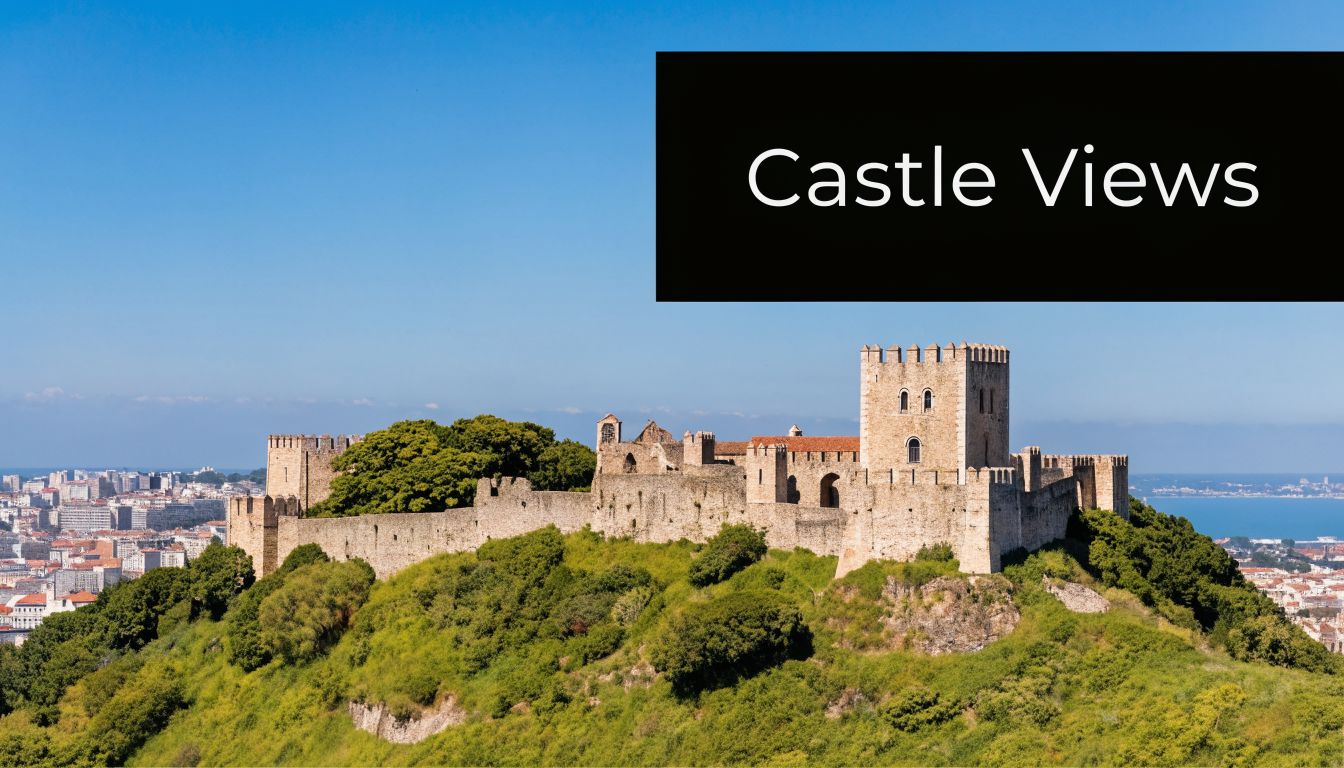
It’s not just a lookout. The castle has Moorish roots and gives you a direct line into the city’s earlier layers, long before the polished shopping streets and modern hotels. Lisbon officially became the capital in 1255, but it had already been fought over, built up, and strategically valued for centuries.
Castle strategy from the Algarve traveller’s point of view
This is not the place to stumble into at the hottest part of the day without water. The uphill approach is real, and if you’ve already had a long transfer from the south, save yourself the martyr act. Go early or late, wear proper shoes, and take the climb seriously.
A strong route is castle first, then drift downhill into Alfama. That way Lisbon works with gravity for once.
- Bring water: Especially in warmer months.
- Use a guide if history matters to you: The ruins make more sense with context.
- Combine wisely: Pair it with Alfama, not with a frantic cross-city hop.
For anyone booking private transfers Faro airport options and adding Lisbon as a side trip, this is a good example of why door-to-door transport helps. You can arrive near the old quarters, leave bags out of the equation, and get straight to the good part.
4. Alfama District
You arrive from Faro or Albufeira, drop the bags, and step into Alfama just as the light starts bouncing off the tiles. Good. That is exactly how to do it. This is the part of Lisbon that rewards timing, patience, and decent shoes.
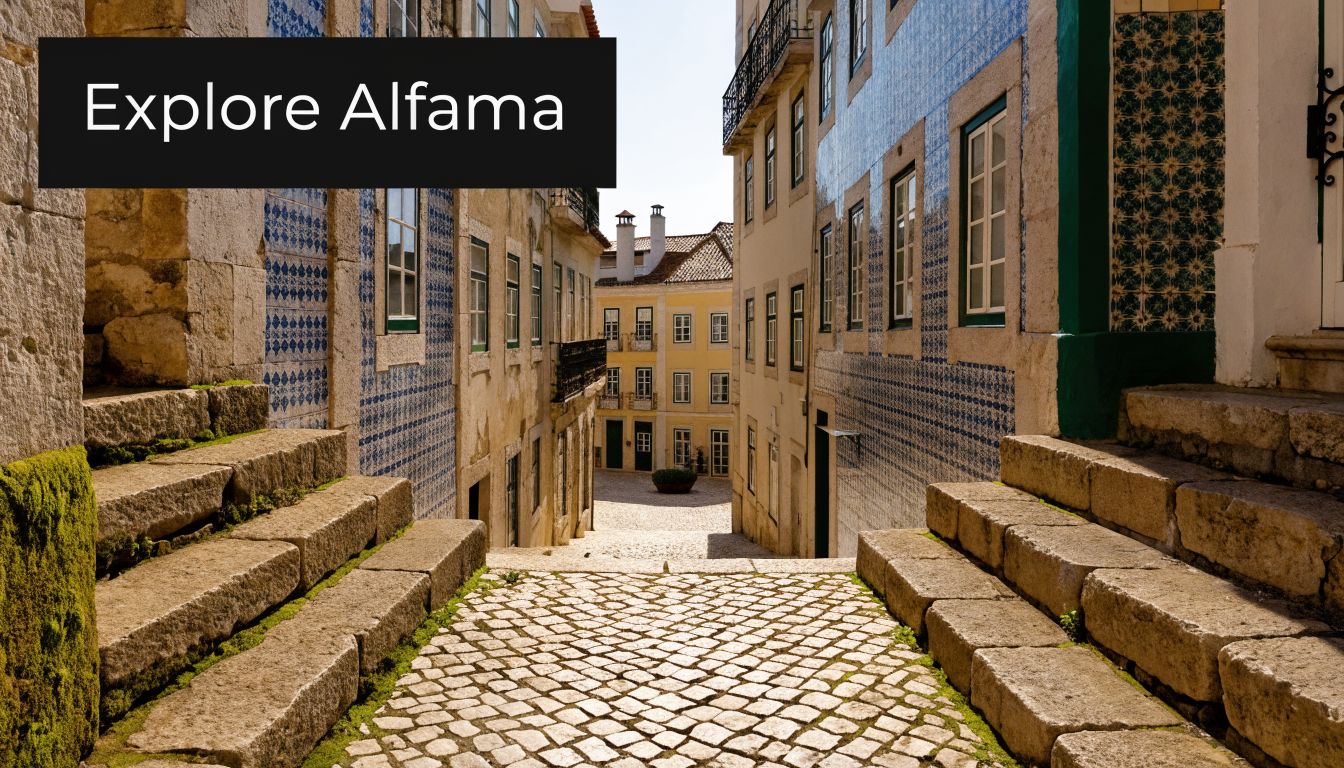
Alfama feels different because it is different. While much of central Lisbon was rebuilt after the 1755 earthquake, this hillside quarter kept more of its older street pattern. That is why you get the tight alleys, uneven steps, tiny squares, and the pleasant sense that the city never asked modern planners for permission.
Do not treat Alfama like a checklist district. It works best on foot, slowly, with enough time to drift between viewpoints, churches, tucked-away cafés, and old staircases that look harmless until your calves object. If you are coming up from the Algarve for a day trip, pair Alfama with São Jorge Castle and keep the rest of your schedule under control. Trying to cram in half of Lisbon after a long journey south to north is how people end up seeing nothing properly.
The practical warning is simple. Alfama is charming and physically awkward at the same time. Cobblestones are slippery, gradients are steep, and routes that look short on a map can turn into a sweaty little expedition. Travellers with grandparents, young children, or a buggy should plan carefully and use drop-off points sensibly rather than charging in from the wrong side of the hill.
Evening is prime time here.
If you want fado, book ahead. Weekend spontaneity sounds glamorous right up to the moment every decent place is full and you are standing in a lane wondering why you did not reserve a table. For Algarve-based travellers doing an overnight Lisbon stop, Alfama earns that overnight. It is far better after the day-trippers thin out, and a direct transfer makes the whole plan easier. You get dropped close to the old quarters, skip the station shuffle, and start with the good bit instead of the logistics.
5. Praça do Comércio and Baixa Pombalina
You get off after the long run up from Faro or Albufeira, your legs are still in motorway mode, and Lisbon immediately asks whether you want hills or sanity. Pick sanity first. Praça do Comércio and Baixa Pombalina are the right call when you need the city to feel clear, open, and easy to read.
Praça do Comércio has scale without the usual tourist chaos. The square faces the Tagus, the arcades give it shape, and the whole place feels built for an entrance. Then Baixa takes over with straight streets, uniform façades, and a street plan that makes sense. In Lisbon, that counts as a small miracle.
This part of town exists because central Lisbon had to be rebuilt after the earthquake, and it still shows. Baixa has order, symmetry, and a practical streak that sets it apart from the older quarters. After Alfama’s stairs and tangled lanes, your group stops arguing about directions.
Best way to use this part of town
Use Baixa as your reset button. Come here before lunch if you want calmer streets and better light on the square, or drop in later when you need a break from hills, church interiors, and heroic amounts of cobblestone.
The Arco da Rua Augusta terrace is worth your time. You get a strong central view without committing half your day to a climb, which is exactly the sort of efficiency that matters on an Algarve-based trip.
- Good first stop after arrival: Easy to understand, easy to walk, easy to enjoy.
- Smart choice for mixed-age groups: Flatter routes, wider pavements, fewer complaints.
- Useful on a day trip: You can see a lot here without burning time or energy.
If you are coming up from the Algarve for one long day, keep your Lisbon plans disciplined. Pair Baixa with one or two heavier hitters, not five. A direct transfer makes that much easier. You arrive in the centre, start with a part of Lisbon that does not punish tired feet, and save the steeper, slower neighbourhoods for later if the mood still holds.
6. LX Factory
LX Factory is what happens when Lisbon swaps monastery cloisters for street art and industrial brick. Set in a former factory complex, it’s one of the city’s easiest wins if your group has mixed tastes. Shoppers, coffee people, design obsessives, and anyone who wants a break from solemn historic sites usually perk up here.
The vibe is creative rather than polished. You’ll find independent shops, cafés, murals, and that slightly self-aware cool Lisbon does well without becoming unbearable. It also gives you a different angle on the city, especially if your morning has already been packed with castles and churches.
Why it works on an Algarve-based trip
LX Factory is useful because it’s low-pressure. You don’t need a big intellectual briefing to enjoy it. That matters if you’ve come up from the Algarve and want a Lisbon stop that feels fun instead of worthy.
Sunday can be a great day to browse, especially if you like markets and local design. Tuesday to Sunday is the safe planning window in general. Pair it with a riverside wander toward Belém if you’ve got the time and decent weather.
Lisbon isn’t only old stones and viewpoints. LX Factory reminds you the city has a current pulse too.
For people weighing private transfers Faro airport against piecing together buses and trains, this kind of flexible stop is where private transport starts to make more sense. You can shape the day around what interests you instead of what the timetable tolerates.
7. Lisbon Oceanarium
The Oceanarium is the answer if your Lisbon trip includes children, teens, or adults who secretly love aquariums but pretend they’re only there for the educational value. It sits in the modern Parque das Nações area, which feels completely different from the old city and gives your day a fresh gear.
One reason this stop matters for visitors is scale. Lisbon’s tourism infrastructure generated over €1.9 billion in profit during 2023, and the metropolitan area receives 8.8 million tourists annually, according to this Lisbon tourism market overview. Places that handle high visitor demand smoothly become especially valuable, and the Oceanarium is one of the easier major attractions to fit into a structured day.
A quick look before you go helps:
When this should move up your list
If weather turns, if the kids have had enough churches for one lifetime, or if you’re doing an overnight Lisbon stay and want one very easy morning plan, choose the Oceanarium. It’s straightforward, contained, and pairs well with the nearby cable car.
- Book a time slot online: That keeps the day flowing.
- Go on a weekday morning if you can: It usually feels calmer.
- Add the Telecabine: It gives you river views without another uphill slog.
For families searching cheap Faro airport transfers or Faro airport transfers for families/groups, Lisbon often looks complicated on paper. A planned transfer plus a modern, family-friendly stop like this makes the city much easier to handle.
8. Historic Tram 28 and Santa Justa Lift
Tram 28 is the famous Lisbon cliché that’s still worth doing, provided you do it cleverly. The route cuts through historic neighbourhoods and gives you that rattling, old-school city ride people come for. Santa Justa Lift scratches a similar itch. It’s practical, photogenic, and very Lisbon.
The trap is doing both at the busiest possible time and then acting shocked when everyone else had the same idea. Don’t. Ride early or later in the day, and treat the tram as transport with character, not a private sightseeing capsule.
How to avoid the worst of the crowds
Get a transport pass, start early, and keep expectations realistic. If there’s a huge queue for the tram, walk a bit and save your energy for the lift or a nearby café. Lisbon always gives you another angle.
Santa Justa works well as part of a central route through Baixa and Chiado. Tram 28 works better when you use it to connect areas you already wanted to see.
Take Tram 28 because it’s iconic. Don’t take it expecting serenity.
This is also where families with pushchairs and travellers with mobility issues should pause and think. The romance of heritage transport wears off quickly when space is tight and boarding is awkward. Lisbon rewards alternatives.
9. Chiado and Bairro Alto
Chiado is polished. Bairro Alto is rowdier, especially after dark. Together they make a good one-two punch if you want shopping, cafés, viewpoints, and evening atmosphere without bouncing all over the city.
Chiado is where you wander between historic cafés, bookshops, and smarter retail. Bairro Alto comes alive later, with bars, rooftops, and plenty of noise. If your Lisbon plan from the Algarve only allows one evening in the capital, this area is a strong contender because it gives you range. You can keep it civilised or let it run late.
Best approach for a short stay
Start in Chiado in the afternoon when the district suits browsing and coffee. Then slide uphill into Bairro Alto for sunset and dinner. If Fado is on your list, book in advance rather than hoping luck will suddenly become your travel assistant.
A café stop here is never a bad idea, and this roundup of Lisbon cafés worth your time helps narrow the field.
- Choose your pace: Daytime Chiado is gentle, nighttime Bairro Alto isn’t.
- Book dinner: Especially if your group wants a proper sit-down evening.
- Use this as your overnight district base: It cuts down on late-night transport faff.
For anyone comparing best airport transfers Algarve options with self-drive plans, remember this. Lisbon at night is far more enjoyable when someone else is handling the logistics.
10. Cristo Rei Sanctuary
Cristo Rei gives you the big panorama. If São Jorge Castle shows Lisbon from within, Cristo Rei shows it from across the water, with the city spread out behind the Tagus. It’s dramatic in a cleaner, wider way.
This spot also suits travellers who want a strong finish to the day. Golden hour is your friend here. The bridge, the river, the city light, all of it comes together best when the sun starts to soften.
Why it makes sense for Algarve visitors
This is one of those places where private transport really earns its keep. Crossing out to the sanctuary and fitting it neatly into a day takes more effort if you’re relying on improvised public transport links. A driver who knows the route saves time and keeps the day from becoming a patchwork of waiting around.
That’s especially true if you’re building a broader capital itinerary from the south. There’s a useful overview of Lisbon day trips and route ideas if you want to combine Cristo Rei with other stops.
One more practical point matters here. Search results often tell Algarve visitors what to see in Lisbon but ignore the transport question. A content gap analysis on day trips notes that many guides skip timing, routing, and feasibility for people travelling up from Faro or Albufeira, even though those logistics are exactly what determine whether the day works at all, as discussed in this analysis of Algarve to Lisbon planning gaps.
If you only have one Lisbon sunset, don’t waste it in traffic circles and guesswork. Pick the viewpoint, sort the transport first, and then enjoy the view.
Top 10 Lisbon Sights Comparison
| Attraction | Access / Logistics 🔄 | Time & Cost ⚡ | Experience Quality ⭐ | Ideal for 💡 | Key advantages 📊 |
|---|---|---|---|---|---|
| Belém Tower (Torre de Belém) | Riverside site; limited capacity; timed-entry recommended | Short visit (~30–60 min); moderate fee; possible queues | ⭐⭐⭐⭐ | Photography, half-day Belém circuit | Iconic Manueline details; compact and close to other sites |
| Jerónimos Monastery (Mosteiro dos Jerónimos) | Coach-friendly drop-off; large crowds with tour groups | Moderate visit (1–2 hrs); combined tickets available | ⭐⭐⭐⭐⭐ | History buffs, guided visits, museum combos | Exceptionally ornate cloisters; strong historical context |
| São Jorge Castle (Castelo de São Jorge) | Hilltop access; cobbles and climbs; best by foot/van | 1–2 hrs; higher ticket price; some walking required | ⭐⭐⭐⭐⭐ | Panoramic views, Alfama walking tours | 360° city vistas; archaeological interest |
| Alfama District | Narrow lanes; steep terrain; limited parking for coaches | Flexible timing; free to wander; guided tours recommended | ⭐⭐⭐⭐ | Food & music tours, photo walks, cultural immersion | Authentic local atmosphere; live Fado venues |
| Praça do Comércio & Baixa Pombalina | Central, flat, very accessible; easy coach parking | Variable time; mostly free; cafés and shops cost extra | ⭐⭐⭐⭐ | Central meeting point, accessible sightseeing | Transport hub; Pombaline architecture and riverside arcades |
| LX Factory | Alcântara location; best by van/coach; weekend crowds | 1–3 hrs typical; many free-entry venues; some shops close Mon | ⭐⭐⭐⭐ | Creative shopping, younger travelers, events | Street art, independent shops, regular markets/events |
| Lisbon Oceanarium (Oceanário de Lisboa) | Parque das Nações; coach-friendly; indoor, weatherproof | 1.5–2 hrs; higher entry fee; timed slots advised | ⭐⭐⭐⭐⭐ | Families, school groups, all-weather visits | Large central tank; immersive habitats and education programs |
| Historic Tram 28 & Santa Justa Lift | Street-level access; queues likely; pickpocket risk on trams | Short rides; low fare for tram; lift has separate fee | ⭐⭐⭐⭐ | Iconic transport experience, quick photo stops | Combines transport and sightseeing; historic charm |
| Chiado & Bairro Alto | Central drop-off at Rua Garrett; hilly with stairs | Flexible; evening activity costs; limited parking | ⭐⭐⭐⭐ | Dining, theatres, nightlife, rooftop views | Cultural venues, cafés, diverse nightlife options |
| Cristo Rei Sanctuary | South-bank access across 25 de Abril Bridge; coach friendly | 1–1.5 hrs; short excursion; bridge traffic possible | ⭐⭐⭐⭐ | Golden-hour photos, quieter viewpoint excursions | Panoramic terrace with sweeping river and bridge views |
Ready to Swap the Algarve Coast for Lisbon's Cobblestones?
Lisbon rewards decisiveness. Pick the sights that match your energy, build the day around geography, and don’t try to cram every famous corner into one heroic blur. Belém, Baixa, Alfama, the castle, Chiado, and one modern stop like the Oceanarium already make a satisfying city break. Add Cristo Rei or LX Factory if you’re staying overnight and want a broader feel for the capital.
From the Algarve, your transport choice matters more than most travel blogs admit. If you’re travelling light, love station changes, and don’t mind shaping the day around fixed departure times, public transport can work. If you’re travelling with children, older relatives, golf bags, extra luggage, or a healthy dislike of unnecessary hassle, private door-to-door travel is the cleaner answer.
That’s particularly relevant because Lisbon is also Portugal’s main business hub. Its Central Business District accounts for 46% of total office demand in Greater Lisbon, and the CBD vacancy rate tightened to 3.6% in Q4 2025, compared with the Greater Lisbon average of 7.0%, according to this Lisbon office market report. In plain English, lots of people need to be in Lisbon for real reasons, and the city stays busy. Good planning pays off.
If your trip starts with Faro airport transfers, Algarve airport transfers, or an Albufeira airport transfer, it makes sense to keep the same practical mindset for Lisbon too. A pre-booked ride helps you avoid queueing for taxis, juggling train changes, or trying to decode the day while standing on a platform with tired children and a suitcase that suddenly weighs as much as a small car. It also works well for travellers looking up terms like private transfers Faro airport, Faro airport to Albufeira transfer, Albufeira to Faro airport, cheap Faro airport transfers, best airport transfers Algarve, private transfer from Faro airport to Albufeira price, how to get from Faro airport to Albufeira without taxi queue, reliable Algarve airport shuttle 2026, Faro airport transfers for families/groups, and Albufeira Faro airport return transfer.
For a Lisbon trip from the Algarve, keep it simple. Leave early. Prioritise two or three key areas instead of ten rushed stops. Wear proper shoes. Respect the hills. Book key entries in advance. And if you can, stay overnight. Lisbon is far better when you’ve got time for one unplanned coffee, one slow viewpoint, and one evening stroll that isn’t dictated by the next connection south.
The Algarve Experience is one relevant option for travellers who want door-to-door transport from Faro, Albufeira, and across the Algarve to Lisbon, with services described by the company as private, pre-booked, and adapted for different group sizes. That kind of setup suits exactly this sort of trip.
If you want to turn “maybe we’ll do Lisbon” into a smooth plan, book with The Algarve Experience. The company has operated since 2018 and provides door-to-door transfers across the Algarve and wider Portugal, including Faro Airport pickups, meet-and-greet service, flight monitoring, and vehicles for solo travellers, families, and groups. It’s a practical option when you want the Algarve coast and Lisbon in the same holiday without the transport headache.
Related posts