

You land at Faro Airport with a dive bag, a holiday booking, and one immediate question. How do you get to the coast without wasting your first day standing in a taxi queue or dragging kit through bus changes?
That's the actual start of most Scuba Diving Algarve trips. Not the first giant stride. Not the first reef. It starts in arrivals, when you need a plan that works.
The Algarve is a superb place to dive, but most guides miss half the problem. They'll tell you where to dive, maybe when to go, and then leave you to figure out the awkward bit yourself. If you're flying into Faro and heading to Albufeira, Lagos, Portimão, Sagres or another coastal base, your trip is smoother when you sort both pieces together: the diving and the transfer.
If you're searching for Faro airport transfers, Algarve airport transfers, Albufeira airport transfers, or the best Faro airport to Albufeira transfer before a dive holiday, you're asking the right question. A good transfer isn't separate from the holiday. It's part of it. When you're travelling with fins, masks, wetsuits, cameras, and maybe a tired family member who isn't nearly as excited about wrecks as you are, convenience matters.
Your Algarve Diving Adventure Starts Now
Touch down at Faro, collect the dive bag, and make one smart decision first. Pick your base according to the kind of diving you want.
If wrecks, stronger sites, and a dive-focused stay are the priority, go west to Lagos, Portimão, or Sagres. If you want an easier mixed holiday with beaches, restaurants, and straightforward access for divers and non-divers, Albufeira is the practical middle ground. If you are taking a beginner course, staying close to your dive centre makes the whole trip easier from day one.
That choice shapes everything. Travel time after landing, when you can check in, how relaxed you feel before a briefing, and how much faff you deal with when you are carrying fins, wetsuits, and cameras all depend on it.
My advice is simple. Decide your dive area before you book the rest of the stay. Faro is the gateway, but the Algarve is spread out, and different towns suit different trips. Divers who treat the region as one interchangeable strip of coast usually waste time on the road that they could have spent in the water.
You also do not need to overcomplicate it. Stay central for flexibility. Stay west for the strongest diving focus. Stay in Albufeira for the best balance of family convenience and access to multiple dive areas.
That is the essential starting point for a good Algarve dive holiday. Choose the right coastal base, make arrival straightforward, and the diving part gets much easier.
Why the Algarve Is a Premier European Diving Destination
If you are choosing between the Algarve and somewhere like Malta, the difference is simple. Malta is often about dramatic walls, caverns, and a more specialist dive feel. The Algarve is the better pick for a traveller who wants varied Atlantic diving without turning the whole holiday into a logistics exercise.
That is what makes this coast such a strong choice. You can fly into Faro, reach a resort town without hassle, and spend the week diving reefs, rocky areas, sandy training grounds, and selected cave or grotto-style sites instead of repeating the same type of underwater scenery every day.
The PADI Algarve dive directory shows that mix clearly, with reef dives, ocean dives, a cave dive, and sandy-bottom sites all represented. For a visiting diver, that matters more than hype. Variety gives you options if the group includes a new diver, a certified diver who wants more interest, or a partner who is not diving every day.
Variety is the Algarve's real advantage
A lot of European dive destinations are excellent at one thing. The Algarve is better at being broadly useful.
You can book a beginner-friendly shore or boat dive one day, then switch to a more exposed site or a wreck-focused outing from another marina the next. Training dives fit here. Refresher dives fit here. Casual holiday diving fits here. So does a week built around diving first and beach time second.
The coastline helps, but the bigger win is practical. Different towns give you access to different styles of diving without forcing long, exhausting transfer days between every plan. That matters if you are arriving with kit, meeting a dive centre on a schedule, and trying to make the first diving day count.
It works for real holidays, not just dive missions
The Algarve has a huge advantage over more awkward dive regions. It is easy to combine diving with a comfortable stay, good food, and sensible transport. That sounds basic, but it is exactly why people return.
If one person wants morning dives and another wants beaches, boat trips, or a wildlife day on the water, the region handles that mix well. You can even pair a dive-heavy trip with one of the dolphin watching experiences in the Algarve without spending the whole holiday driving back and forth.
My advice is clear. Choose the Algarve if you want diving that is enjoyable, varied, and straightforward to organise from the moment you land. You are getting an Atlantic destination with enough character underwater to keep the trip interesting, and enough infrastructure on land to keep it easy. That combination is rarer than it should be in Europe.
Algarve Diving Seasons and Marine Life
You land in Faro, grab your bags, and head straight for the coast. Good. Now make one smart decision early. Pick the right season, because Algarve diving feels very different in August than it does in January, and that affects far more than water temperature.
When to go for the best overall experience
For most travelling divers, late spring to early autumn is the sweet spot. The weather is easier, the sea is friendlier, and the whole trip runs better from airport arrival to your final dive day. If you are flying in for a week and want diving to fit neatly into a holiday, book the warmer months and keep the logistics simple.
Water temperatures in the Algarve usually sit around 14 to 15°C in winter and rise to 18 to 22°C in summer, according to Diving Away's Algarve conditions guide. That is a real difference in comfort, exposure needs, and how fresh you feel after repeat dives.
My recommendation is straightforward. Newer divers, holidaymakers, and anyone doing only a few dives should aim for the warmer period. You will spend less time worrying about cold, less time drying kit, and more time enjoying the reason you came.
Winter still works, but it suits divers who know exactly what they are signing up for. Bring proper exposure protection, expect cooler surface intervals, and plan your days with a little more discipline. If you hate being cold underwater, do not book a winter dive trip to the Algarve and pretend it will feel summery.
What those conditions mean in real life
Season changes the trip on land as well as underwater. That is the part many diving guides skip.
If you are arriving through Faro Airport and transferring straight to Lagos, Albufeira, Portimão, or Sagres, warm-season diving gives you an easier first day. You can land, check in, sort paperwork, and start diving without feeling like you need a full recovery day just to warm up. That matters if your holiday is short and you want to make every boat departure count.
In cooler months, be stricter with your planning:
- Pack exposure gear for the water you will encounter
- Leave room in the schedule for slower surface intervals
- Do not stack too many dives too quickly if you chill easily
- Book accommodation close to your dive centre so you are not sitting in wet gear for long transfers
If one person in your group wants time on the water without scuba, a day of dolphin watching in the Algarve is an easy add-on between dive days.
What marine life should you expect
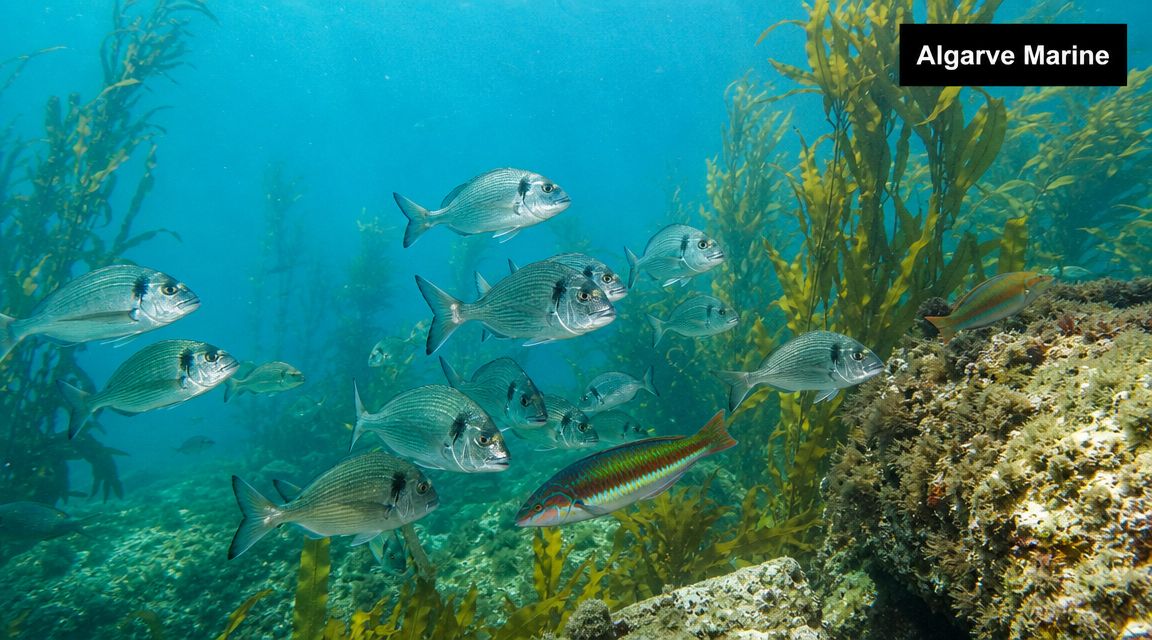
Expect Atlantic diving with character. That means rocky reef life, species tucked into cracks and ledges, fish using wreck structure for cover, and regular sightings that reward calm, observant divers rather than people rushing through the site.
You are likely to spend one dive scanning sand and rock for octopus, cuttlefish, and smaller hidden life, then spend the next watching bream, wrasse, conger eels, and schooling fish move around reef or wreck structure. Moray eels, nudibranchs, crabs, and starfish are all part of the appeal too. The Algarve is at its best when you slow down and pay attention.
Do not come expecting tropical visibility every day. Conditions can be very good, but the Atlantic sets the rules here. Some days are bright and clear. Some are greener, moodier, and better for close-up observation. Good divers adapt and still have an excellent day.
That is why season choice and trip planning belong in the same conversation. If you are flying in specifically to dive, the best month is not just about marine life. It is about getting the water temperature, comfort level, and travel rhythm right so the diving starts well and stays enjoyable.
The Best Algarve Dive Sites for Every Level
The Algarve is not just for one type of diver. That's one of its biggest strengths. You can arrive as a complete beginner, do easy local dives, and still be travelling in the same region as divers who are hunting wrecks and more demanding offshore conditions.
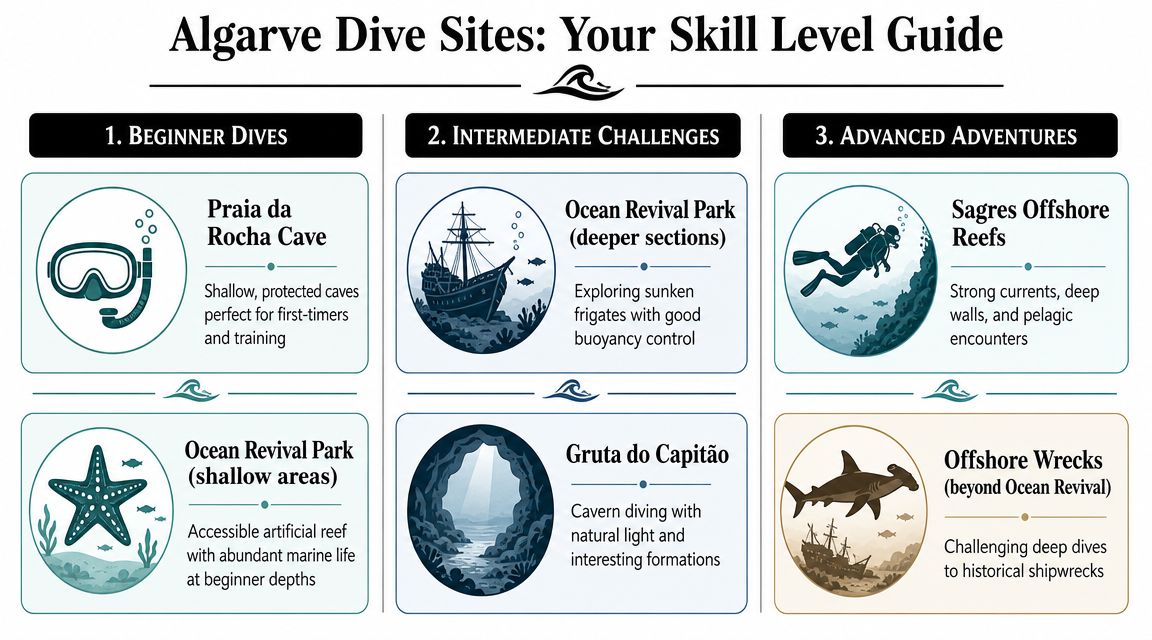
A local Algarve dive centre says it offers access to over 20 distinct sites, including the famous grottoes near Sagres and submerged historical wrecks, in the Blue Ocean Divers Lagos dive centre overview. That tells you something important. You're not locked into one repetitive dive pattern.
Beginner-friendly diving
If you're new, keep it simple. Don't chase bragging rights. Pick sites that give you easy entries, manageable conditions, and enough visual interest to build confidence.
Shallow reef zones and sheltered areas around the central and western Algarve are usually the smartest call. Training dives, refreshers, and first post-certification dives work best when you can focus on buoyancy, breathing, and enjoying the experience rather than fighting current or nerves.
Good beginner choices usually include:
- Protected reef environments where the dive centre can keep the plan conservative
- Easy sandy-bottom areas for skills, weighting checks, and refreshers
- Shallower parts of artificial reefs where structure adds interest without adding too much stress
If your plan is “I want my first proper sea dives after certification”, Lagos, Albufeira and Portimão are good places to start looking because they tend to offer a useful spread of easier local options.
Intermediate diving that feels rewarding
This is where the Algarve gets properly fun. Intermediate divers often get the best overall experience here because the region's mix suits them perfectly. You've got enough skill to enjoy wreck structure, caverns with natural light, and more open sites, but you don't need a hardcore expedition setup.
Some of the most satisfying Algarve dives for this level include:
- Reef systems with more variation in depth and navigation
- Grotto and cavern-style dives with wide openings and natural light
- Artificial reefs and wrecks that are accessible with solid buoyancy control
For many divers, this is the sweet spot of best wreck diving Algarve planning. You get structure, fish life, and a stronger sense of exploration without immediately pushing into the most demanding end of the spectrum.
Here's a quick snapshot to make the choice easier.
| Dive Location | Best For | Site Type | Max Depth |
|---|---|---|---|
| Central Algarve sheltered reefs | Beginners | Reef | Varies by operator and conditions |
| Ocean Revival Park shallow areas | Beginners to intermediate | Artificial reef | Varies by dive plan |
| Gruta do Capitão area | Intermediate | Cavern / reef | Varies by route |
| Sagres grottos | Intermediate to advanced | Grotto / ocean | Varies by conditions |
| Offshore wrecks | Advanced | Wreck | Varies by site and certification |
This local video gives a good feel for the region's underwater appeal before you book:
If your trip also includes sightseeing days, pairing a dive base with a visit to the Benagil Caves in Lagoa is a smart move. It works especially well for mixed groups.
Advanced dives worth travelling for
Advanced divers should look west and offshore. That's where the Algarve starts showing more teeth. Sagres has a reputation for more exposed Atlantic conditions and a more serious feel. That's exactly why experienced divers like it.
Wrecks and deeper offshore sites are the obvious draw. Some dives demand stronger buoyancy, comfort in lower visibility, and a calm head if current picks up. If you've got the certification and recent experience, these are the dives that give the Algarve more character than many casual visitors expect.
The mistake advanced divers make is dismissing the Algarve as “too easy” before they've seen the right sites.
Where I'd tell different divers to stay
My blunt recommendations:
- Complete beginners should stay somewhere convenient and choose a centre with patient instructors and easy local diving.
- Certified holiday divers should look at Lagos or Portimão if diving is the trip's main focus.
- Mixed family groups often do well in Albufeira, then book selected dive days.
- Experienced divers chasing more challenging conditions should give serious thought to the western Algarve.
That's the practical way to plan scuba diving in the Algarve. Match the base to your level, not just the prettiest hotel photo.
PADI Courses and Choosing a Reputable Dive Operator
If you're not certified yet, the Algarve is a sensible place to start. It's accessible, holiday-friendly, and full of operators used to working with travellers who arrive excited but slightly nervous.
That said, don't pick a dive centre the same way you pick a beach bar. Price matters, but it isn't the main filter. Safety, professionalism and fit matter more.
Which course makes sense for you
For most first-timers, a Discover Scuba Diving experience is the right entry point if you just want to try breathing underwater in controlled conditions. It's low-commitment and gives you a clear answer fast. You'll know whether diving clicks for you or not.
If you already suspect you're going to love it, go straight for PADI Open Water Diver or the equivalent with another recognised training agency. Doing the course during a holiday can work well if you leave enough time in your schedule and don't cram the rest of the week with too many competing plans.
Already certified? The Algarve can also be a practical place to do a refresher, buoyancy-focused dive days, or a next-step course if the centre has the right instructors and conditions for it.
How to spot a good operator quickly
Don't overcomplicate this. Use a proper checklist.
- Agency affiliation matters. A recognised centre with current training standards is the baseline.
- Rental kit condition tells you a lot. Well-maintained BCDs, regulators, and exposure suits suggest a serious operation.
- Clear briefings are essential. If the pre-dive talk is vague, walk away.
- Realistic site matching is a good sign. Good operators don't force beginners onto unsuitable dives.
- Communication quality matters more than flashy marketing. If they answer clearly before you book, that usually continues on the day.
Questions worth asking before you commit
Ask direct questions. Good centres won't mind.
- Which local sites suit my certification and recent experience?
- What exposure suit do you recommend for my travel month?
- Are the dives boat-based, shore-based, or a mix?
- How is kit handled if I bring my own and rent the rest?
- What happens if sea conditions change on the day?
Notice what you're looking for. Not sales language. You want clarity.
A reputable dive operator doesn't promise every site to every diver. They tell you what's sensible for your level.
My recommendation
Choose the centre that gives you confidence, not the one shouting the loudest online. The best operators are organised, calm, and honest about conditions. That's what keeps holidays enjoyable.
If you're booking both diving and accommodation around one town, make sure the logistics are easy too. The best dive setup in the region loses its shine if you've made your daily transport awkward.
Getting From Faro Airport to Your Dive Resort Seamlessly
Faro Airport to Albufeira is a straightforward run, usually under an hour, and that first transfer sets the mood for the whole trip. Get it right and you can be checked in, sort your kit, and still have time to walk the marina or confirm tomorrow's dive plan. Get it wrong and you start your holiday tired, delayed, and irritated before you've even seen the water.
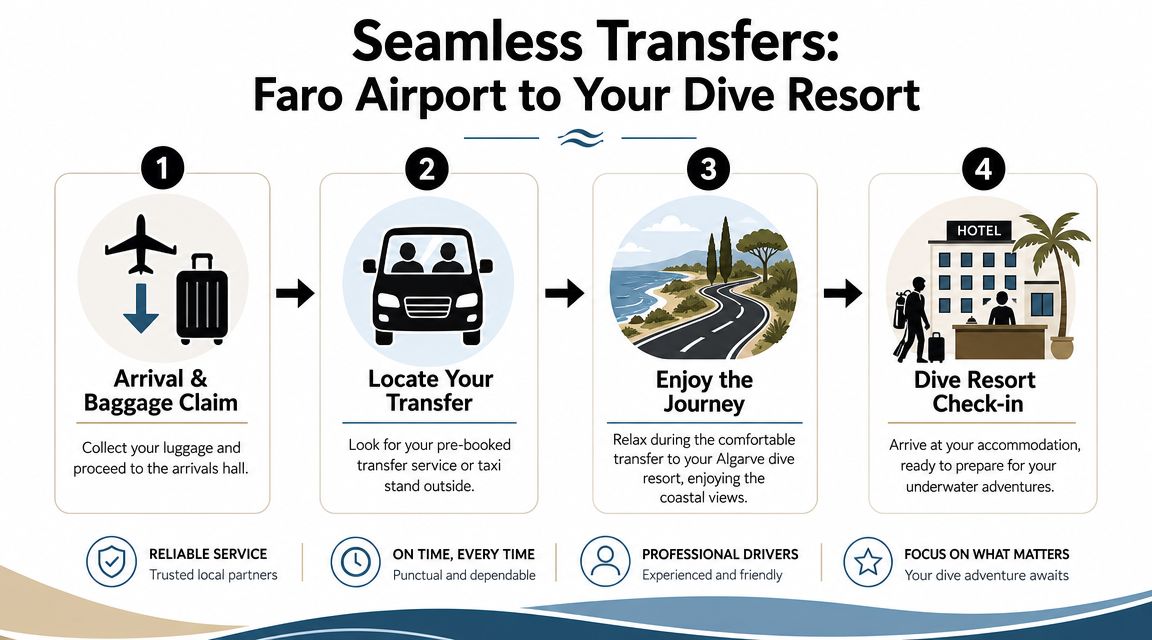
Divers should plan airport transport with the same common sense they use for dive bookings. If you are carrying a regulator bag, a larger suitcase, maybe fins, maybe a camera case, public transport stops being a bargain very quickly. The Algarve is easy to get around once you are settled. Right after a flight is the one time you want the least friction.
The practical choice between taxi, bus, car hire and private transfer
Here's the honest version.
A taxi from the rank is fine if you land at a quiet time, travel light, and don't mind paying for convenience on the spot. That is not how many dive travellers arrive. You are often carrying more gear than a standard beach tourist, and you may be heading straight to accommodation near a marina, a dive centre, or a coastal apartment with awkward check-in timing.
Buses suit backpack-style travel, not dive holidays. They can work for solo travellers with one bag and plenty of patience. They are a poor choice for anyone with scuba kit, children, or a partner who did not sign up to wrestle luggage after landing.
Car hire only makes sense if you plan to explore inland towns, remote beaches, or multiple bases during the week. If your main goal is diving from one resort area, a rental car creates jobs you do not need on arrival. You still have to queue, deal with paperwork, inspect the vehicle, and work out unfamiliar roads.
For most dive-focused trips, the order is simple:
- Bus or train connections are the cheapest, but the least convenient with gear
- Taxi from the airport rank is quick to access, but pricing and wait times can vary
- Rental car gives flexibility for wider sightseeing, but adds admin and parking
- Pre-booked private transfer is usually the best fit for airport-to-resort travel
Why I recommend booking your transfer before you fly
If you want to get off the plane and head straight to the coast, book the car in advance. Do not leave this to chance.
A pre-booked transfer works especially well for divers because the priorities are different. You care about luggage space, reliable pickup, and a direct run to your hotel or apartment. You do not want to haggle, queue, or start the trip by piecing together buses with a heavy bag on your shoulder.
A good service should offer:
- Meet and greet at arrivals
- Fixed pricing agreed in advance
- Enough room for dive bags and normal luggage
- Direct drop-off at your accommodation
- Flight monitoring in case you land late
- Pre-arranged return transport to the airport
If you want a direct option that is built around exactly that kind of arrival, book a Faro Airport transfer service for Algarve resorts and coastal stays.
Who should skip the guesswork and pre-book
Private transfer is the smart move if you fit any of these groups.
- Divers carrying their own equipment
- Couples splitting luggage between dive kit and holiday bags
- Families needing child seats and a simple arrival
- Late-night arrivals
- Travellers going straight to Albufeira, Lagos, Portimão, or another coastal base without wanting extra stops
It also helps if you have booked morning dives for the next day. Arriving calmly matters. You want dinner, hydration, and an early night, not a long transport puzzle.
One more practical point. If your diving includes boat departures later in the week, read Mobile Systems' ultimate boat safety guide. It is not Algarve-specific, but it is a sensible refresher before any day on the water.
My advice is simple. Sort your airport transfer before you board the plane. Then you can land in Faro focused on the part of the trip you came for, getting into the Atlantic.
Essential Tips for Safety Gear and Planning FAQs
Your first real diving decision in the Algarve is usually made before you reach the water. You land in Faro, collect bags, check your kit, and realise very quickly whether you planned this trip like a diver or like a beach tourist. The difference shows up the next morning on the boat.
Conditions here reward sensible preparation. Water temperature and visibility change enough through the year that you should pack for the month you are visiting, not the photos you saw online. If you are diving outside peak summer, ask your operator what exposure protection they recommend and take that advice seriously.
Pre-dive essentials that matter
Start with the items that prevent hassle.
- Dive insurance should be sorted before you fly.
- Exposure protection should fit the season and your own cold tolerance.
- A mask you already trust is worth bringing every time.
- A surface marker buoy is a smart addition for boat diving and drift situations.
- Buddy checks and communication matter even more when visibility is average rather than perfect.
- Motion sickness tablets are worth packing if you are not fully comfortable on small boats.
Boat diving is common in the Algarve, especially if you are heading for reefs, caves, or wreck-focused trips. Read Mobile Systems' ultimate boat safety guide before you travel. It is not dive-specific, but the basics are useful and practical.
Comfort beats bravado. Cold, rushed divers make poor decisions.
Fast FAQs for divers flying into Faro
Can I bring my own dive gear in a private transfer?
Yes, in most cases. Tell the transfer company exactly what you are carrying, especially if you have fins, a regulator bag, or extra hold luggage.
What if my flight lands late?
Pre-booked transfer services usually track arrivals. That matters after an evening landing, because the last thing you need is standing outside the terminal trying to solve transport with heavy kit.
Are private transfers better than taxis for dive holidays?
Yes. They are usually the better fit for divers because you can confirm luggage space in advance, avoid queues, and go straight to your accommodation.
Do I need a thicker wetsuit outside summer?
Usually, yes. Spring, autumn, and winter dives can feel much colder than visitors expect, especially on a second dive or a breezy boat ride back to shore.
Is the Algarve suitable for beginner divers?
Yes, if you choose the right centre and the right sites. A good operator will match the day's conditions to your experience level instead of pushing you onto a trip that looks impressive on Instagram.
Can families book the same airport transport even if only one person is diving?
Yes, and that happens all the time. It keeps luggage, children, and dive kit in one vehicle and makes arrival much easier.
If you want the trip to start well, treat airport transport as part of your dive planning, not a separate chore. Sort the transfer, confirm your kit, hydrate properly, and get to the coast ready to dive.
Related posts